
Due to the nature of what happens in a bathroom, they are highly susceptible to dirt, grime, mould and bacteria building up.
Even if your bathroom is newly renovated, a diligent cleaning schedule is needed to keep it safe and hygienic to use.
For commercial bathrooms (washrooms), we would always advise appointing a dedicated facilities manager to keep your washroom spotlessly clean at all times.
In the meantime, here are 5 areas to watch out for as they are widely considered the dirtiest within any bathroom.
Toilet Seats
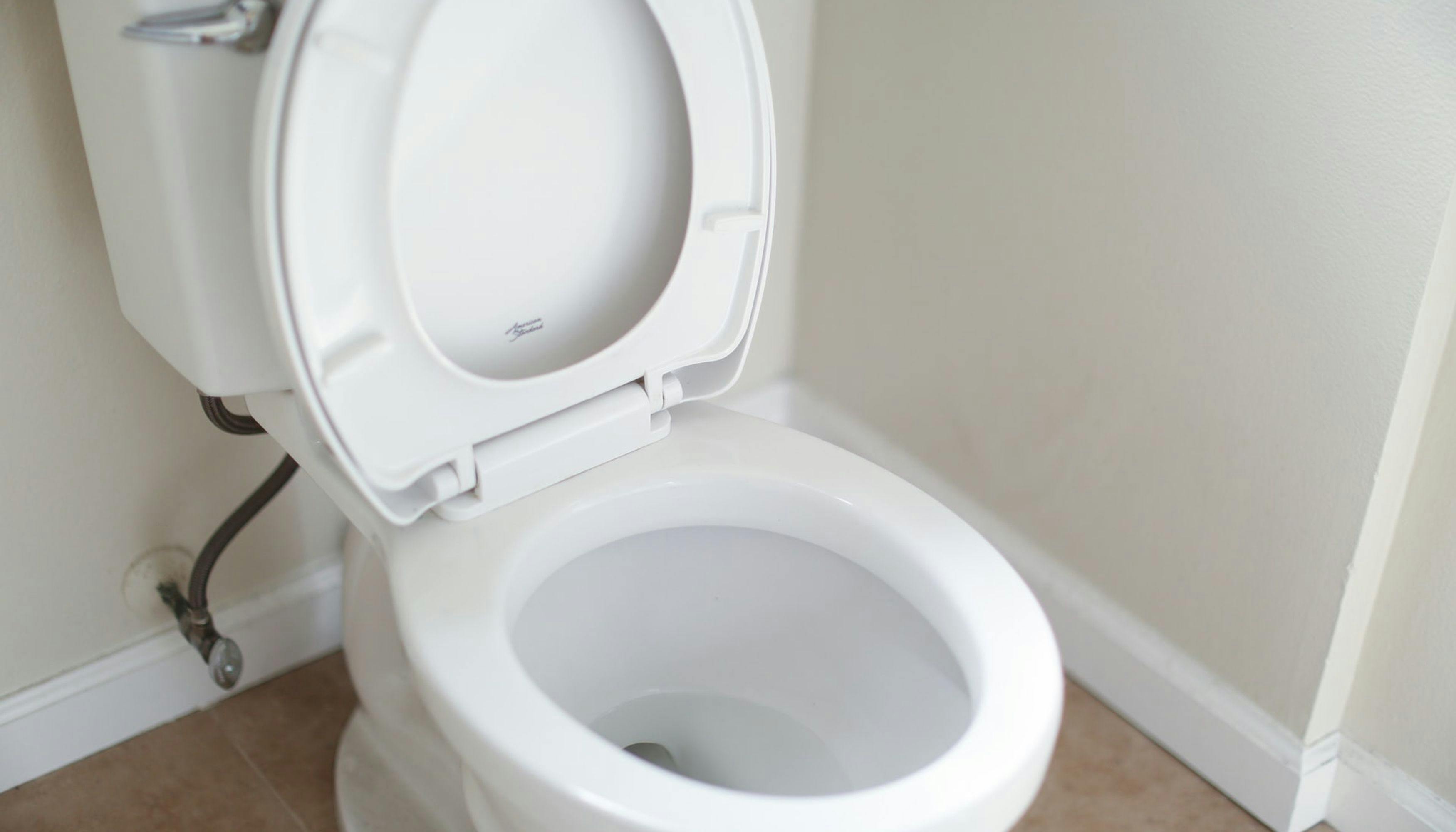
Despite toilet seats surprisingly not being the dirtiest areas of a bathroom, on average a toilet bowl contains 3.2 million bacteria per square inch. Ick!
There are many surfaces within a toilet cubicle itself such as the seat, bowl, tank and handle, and germs can easily be spread between each aspect. In addition, if a toilet is flushed without closing the lid first, then the germs from the toilet can travel up to 6ft in either direction.
Solution: Invest in high-quality toilets for your washroom that can withstand industrial-strength disinfectant being used on them regularly. Also, maintain your washroom by replacing cracked or broken toilet seats in the first instance, so that germs aren’t inadvertently being spread.
Door Handles
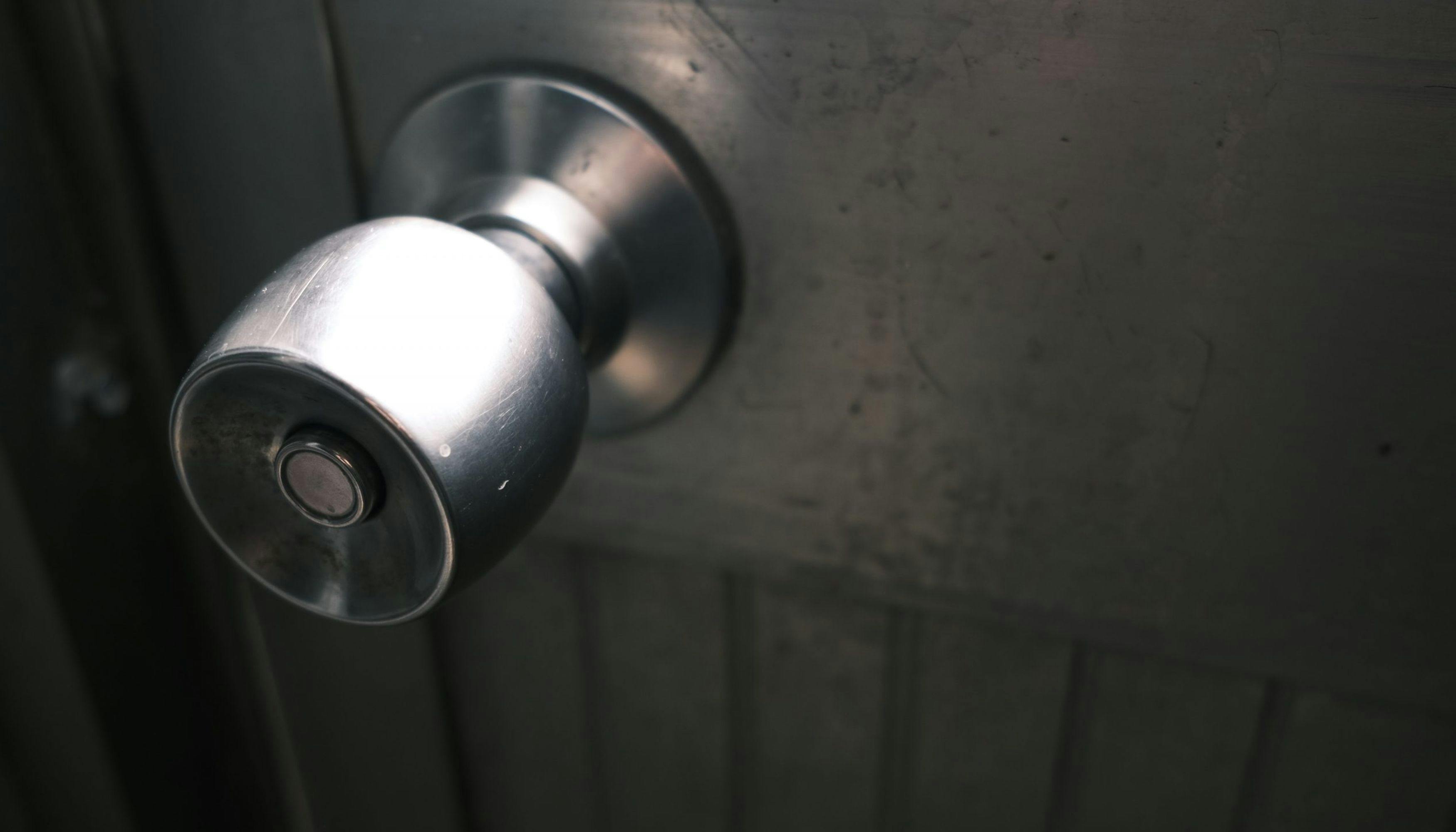
Door handles have two issues that make them a magnet for germs. Firstly, they are high touchpoints within a bathroom or washroom. Also, they tend to get overlooked in the cleaning stakes in favour of toilets or basins.
So, what ends up happening is that such areas accumulate not just visible dirt, but hidden bacteria that have serious potential to spread infection. Worst of all? Every time someone enters or leaves your washroom, they are forced to come into contact with the door handle. In between, they’ll also make a pit stop at the toilet and sinks which also contain a mixture of taps and handles.
Solution: Where layout allows, removing the need to touch a handle at all is the most effective fix, for example through push plates on exit doors or a break in the entrance layout that avoids a door altogether. Where a handle is unavoidable, it should be included as a fixed item on every cleaning checklist, not left to visual judgement, and wiped with an appropriate disinfectant at a frequency that matches footfall. Antimicrobial handle coatings are also worth considering for high traffic sites, as they reduce bacterial survival time between cleans.
Hand Towels
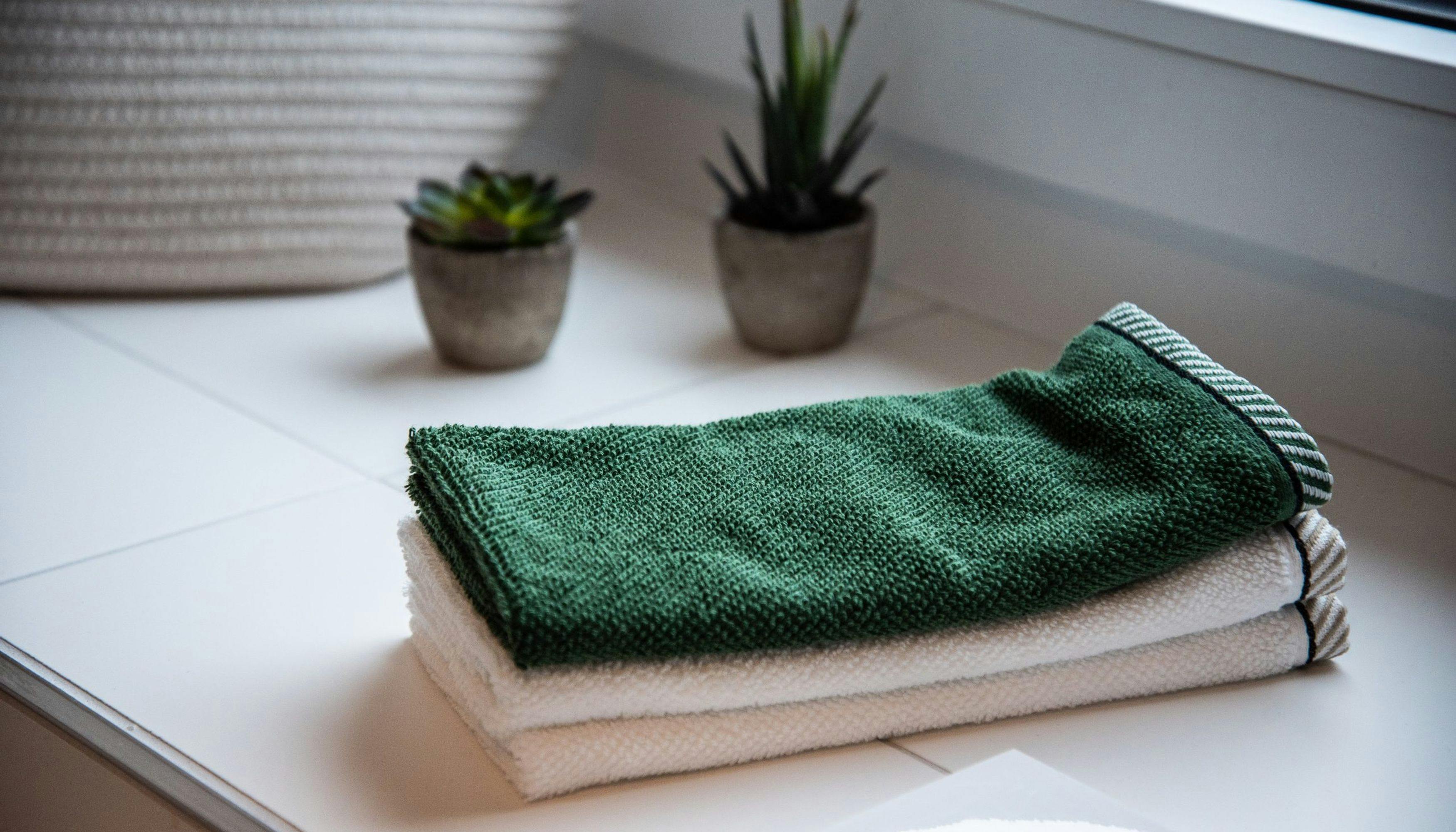
Hand towels, whether they involve a single towel on a hook or a rotating style mechanism that features only one piece of material, aren't a pleasant addition to any washroom. That’s because the drying of hands is just as important as the washing to fully rid bacteria, and if the latter isn’t clean, it’s essentially sending everyone back to square one without them realising it.
Solution: Install a hand dryer or leave a stash of paper towels and a bin by the sink.
Taps

Taps are handled by almost every visitor to a washroom, often right before or straight after using the toilet, which makes them one of the most consistently contaminated surfaces in the entire space. Unlike a toilet seat, which most people avoid touching directly, a tap has to be touched to be used at all.
The problem is compounded by the areas around the tap itself. Splashback on the surrounding basin surface creates a damp environment where bacteria and limescale can build up quickly, and the small gaps around the base of the tap are easy to miss during a routine wipe-down.
Shared washrooms in offices, schools and public buildings see this problem multiplied many times over across a single day, with hundreds of hand contacts on the same fixture.
Solution: Sensor-operated or touch-free taps remove the contact point entirely, cutting off one of the most direct routes for cross-contamination in the whole washroom. Where touch-free isn't an option, lever taps are easier to operate with a wrist or elbow than traditional twist handles, reducing the need for a full hand grip. Whichever type is fitted, taps should be included in every cleaning round, with particular attention paid to the base and the surrounding basin surface, not just the handle itself.
Showers
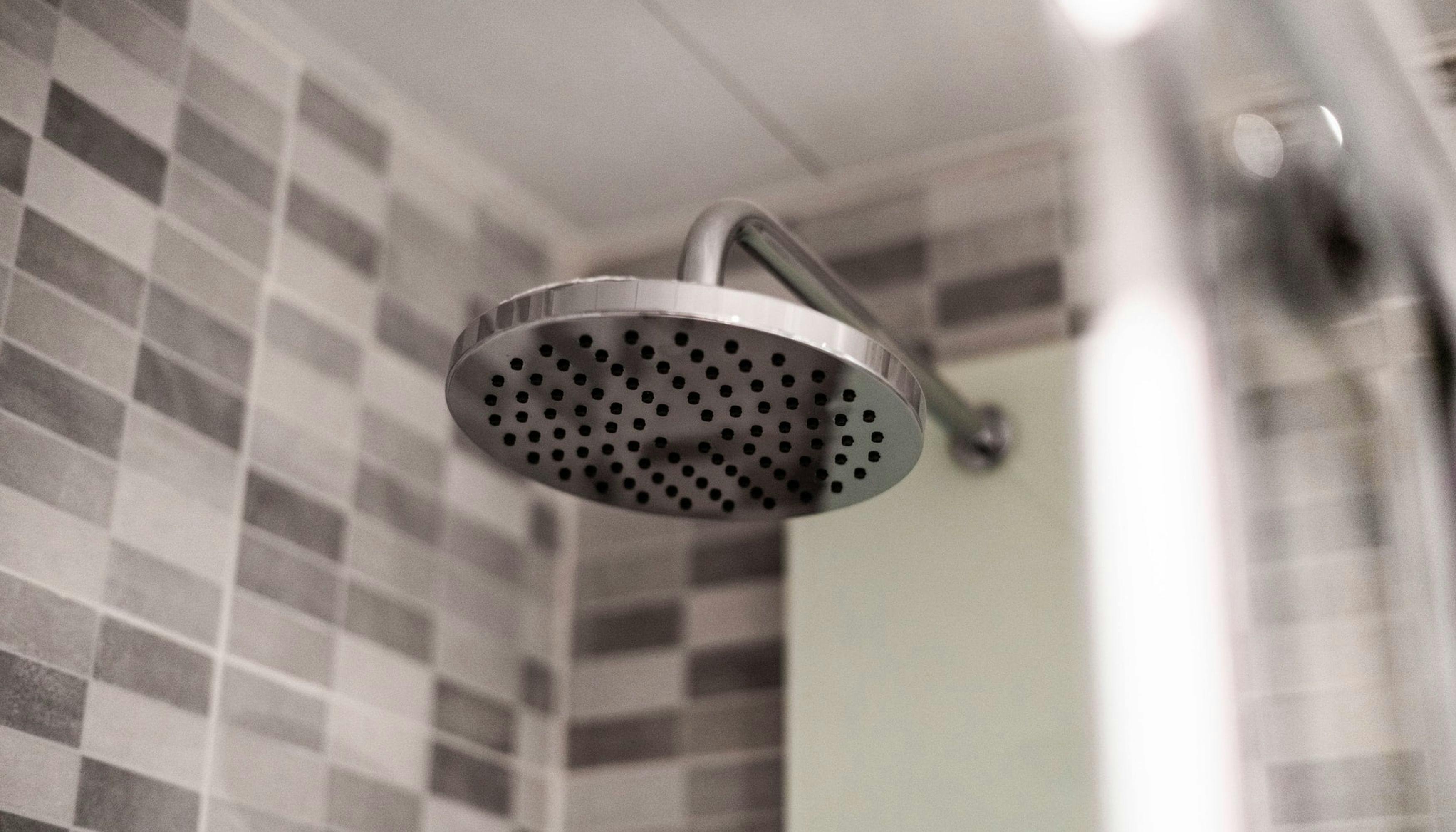
Not all washrooms have showers, but for those that do, it’s essential to regularly disinfect the surfaces within the shower, clean the drains and watch out for any mould building up in the grouting.
Showers are sometimes required for health and safety reasons, such as within a medical facility, and so patrons will expect that the showers are clean and ready to use.
P.S. Thinking of installing a wet room in your commercial property? Here's how much it could cost you.
Solution: Ensure your facilities manager oversees the cleanliness and maintenance of showers so that they are cleaned after every use and any issues such as blocked drains or cracked tiles can be dealt with immediately.
Is Your Commercial Bathroom Beyond Cleaning? Get A Free Washroom Installation Quote
Need help with all things washrooms? Get one of the UK’s leading washroom installers on your side when you work with us here at Inspired Washrooms.
The best way for us to help select the most appropriate materials for your building environment and the project budget is to get in touch. From there, we can give you tailored advice so that you can maximise the outcome of your project.
Why not download our brochure to get some ideas of what we can do for you? Browse our full range of colours and materials to help bring your washroom project to life!
If you’re ready to book in with us, or if you need any further advice on anything we’ve mentioned above, please give us a call on 0115 811 4242 or drop us an email and our friendly team will be in touch.